


Ancient Wisdom Unveiled: A Comprehensive Dictionary of Ayurvedic Concepts for Holistic Wellness
INTRODUCTION
In today’s fast-paced world, the pursuit of holistic wellness has become increasingly important. As we strive to achieve balance and well-being, turning to ancient wisdom can offer profound insights and guidance. One such treasure trove of wisdom is Ayurveda, the ancient Indian system of medicine and healing. Rooted in nature and emphasizing the interconnectedness of body, mind, and spirit, Ayurveda provides a holistic approach to wellness. In this article, we delve into the depths of Ayurvedic concepts and present a comprehensive dictionary of key terms that will unlock the door to a deeper understanding of this ancient tradition.
- Agni: Digestive fire and metabolism.
- Ama: Toxins or undigested waste in the body.
- Amalaki: Indian gooseberry, a rejuvenating herb.
- Anupana: Vehicle or carrier substance for herbal remedies.
- Arishta: Herbal decoction or fermented Ayurvedic tonic.
- Ashwagandha: A rejuvenating herb for vitality and stress relief.
- Ayurveda: Ancient Indian system of medicine and holistic wellness.
- Basti: Enema therapy for cleansing and rejuvenation.
- Bhringraj: Herb used for hair health and growth.

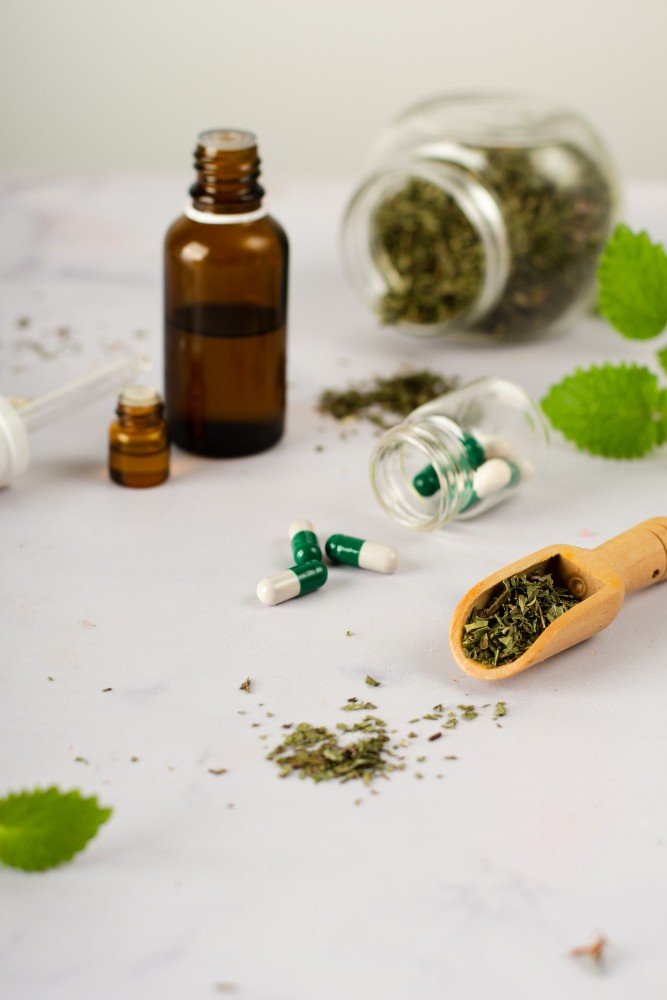
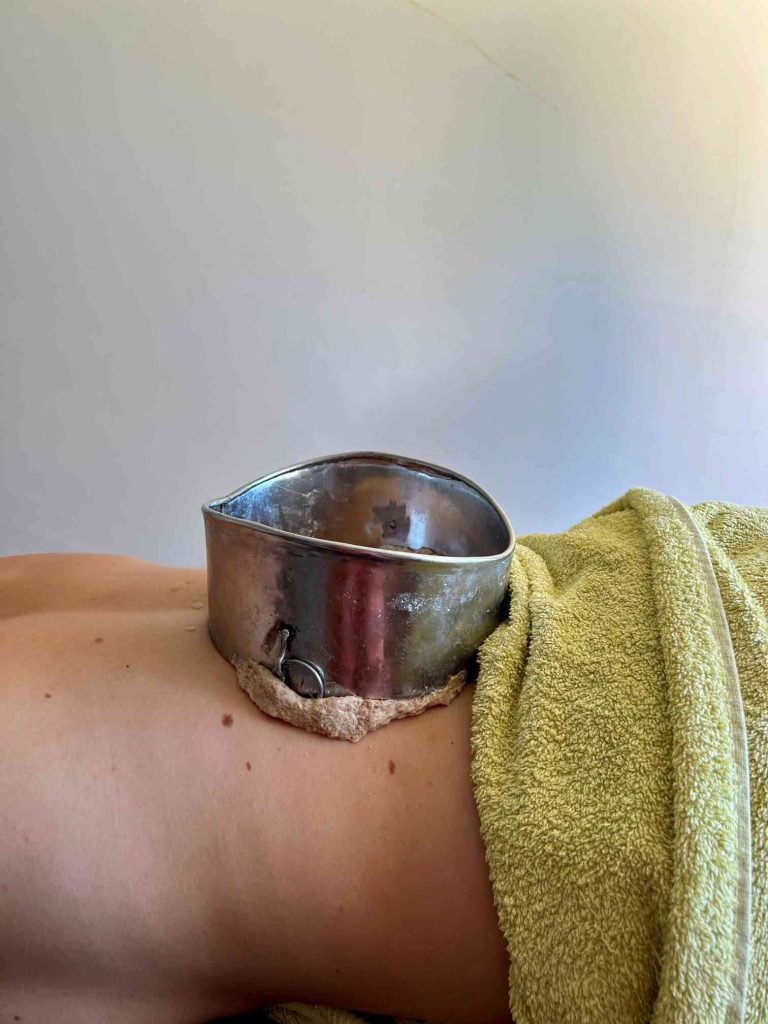


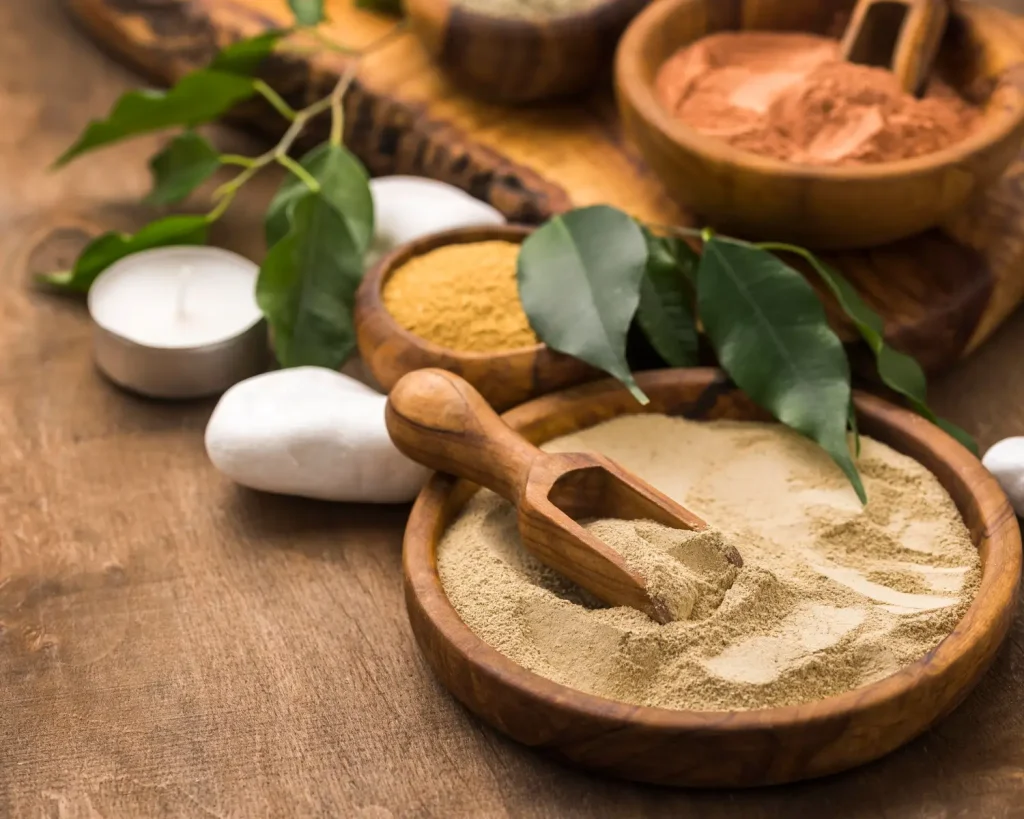
- Churna: Herbal powder or mixture.
- Dhatu: Tissues in the body, such as blood, muscle, and bone.
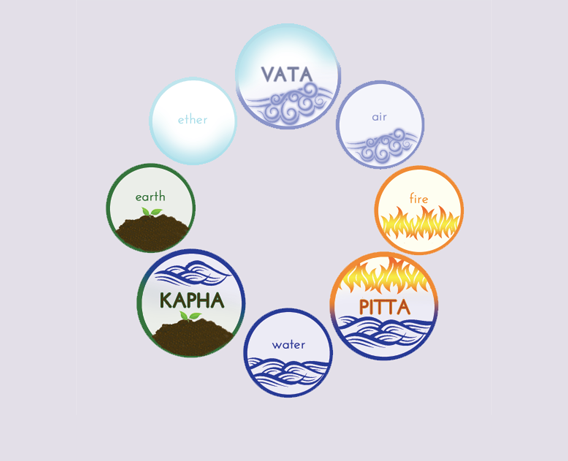
- Dosha: Three fundamental energies—Vata, Pitta, and Kapha.
- Ghee: Clarified butter with numerous health benefits.
- Ginger: Warming herb for digestion and immunity.
- Guggul: Resin used in Ayurvedic preparations for joint health.
- Haritaki: Herb with detoxifying and rejuvenating properties.
- Japa: Repetition of a mantra or sacred sound for meditation.
- Jatamansi: Calming herb for stress relief and sleep.
- Kapha: Dosha representing earth and water elements.
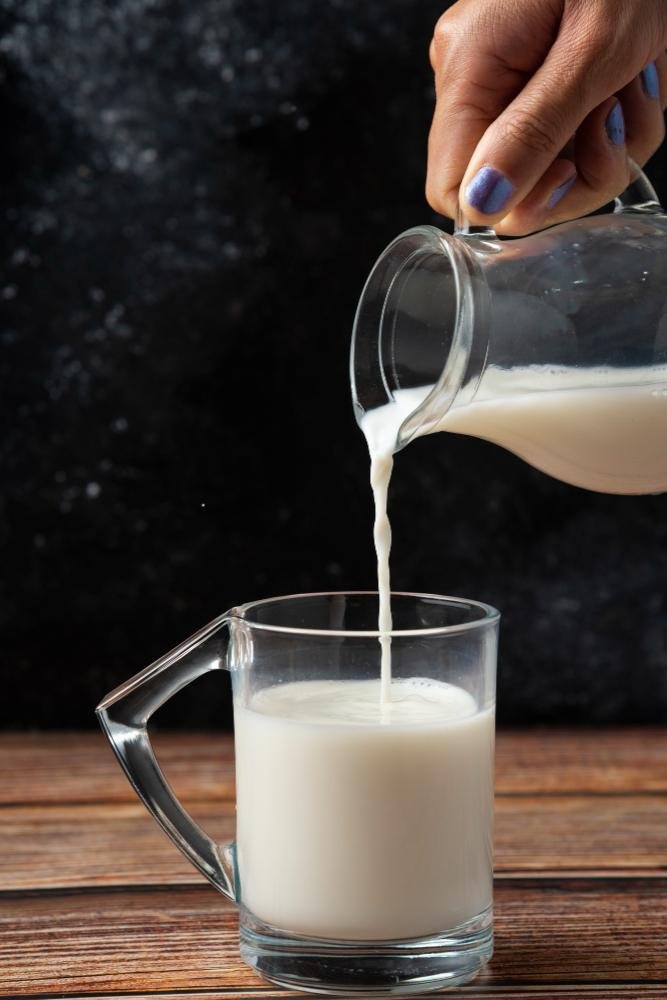
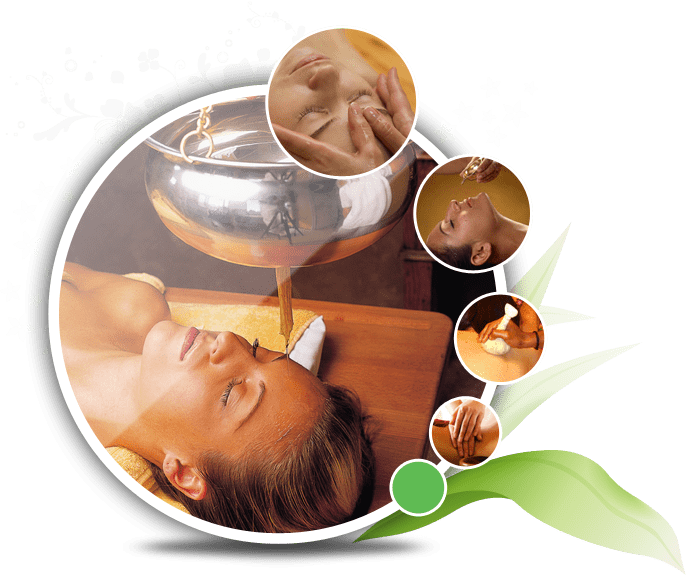
- Ksheeradhara: A therapeutic treatment involving pouring milk over the body.
- Ksheera vasti: A type of enema therapy using milk and herbs.
- Kitchari: A nourishing and easily digestible Ayurvedic dish.
- Kushta: Ayurvedic term for skin diseases or disorders.
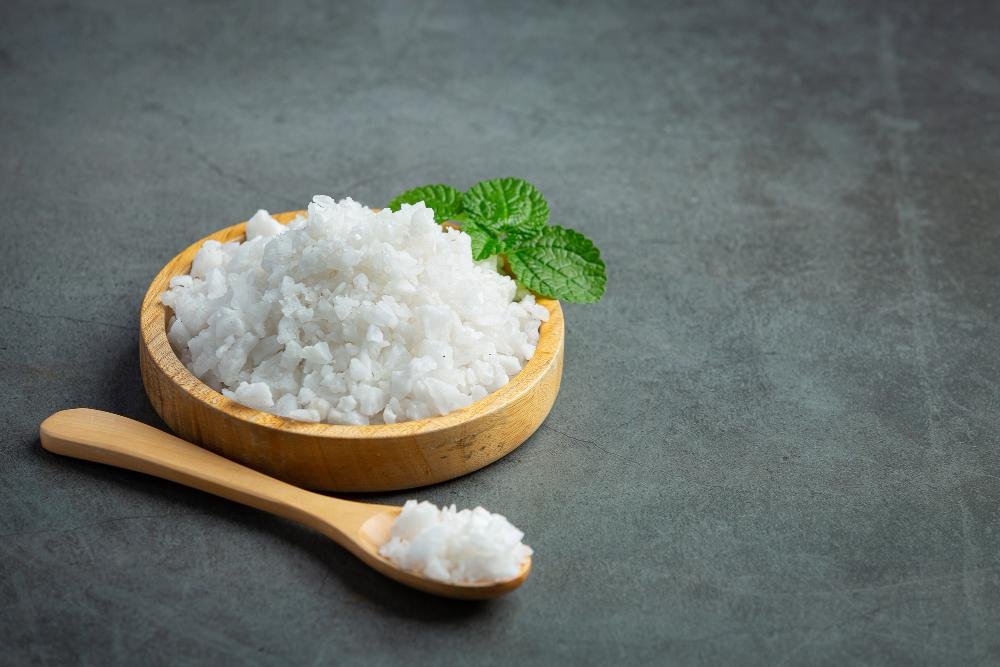
- Lavan: Salt, used in Ayurvedic formulations and cooking.
- Madhura: Sweet taste, one of the six tastes in Ayurveda.
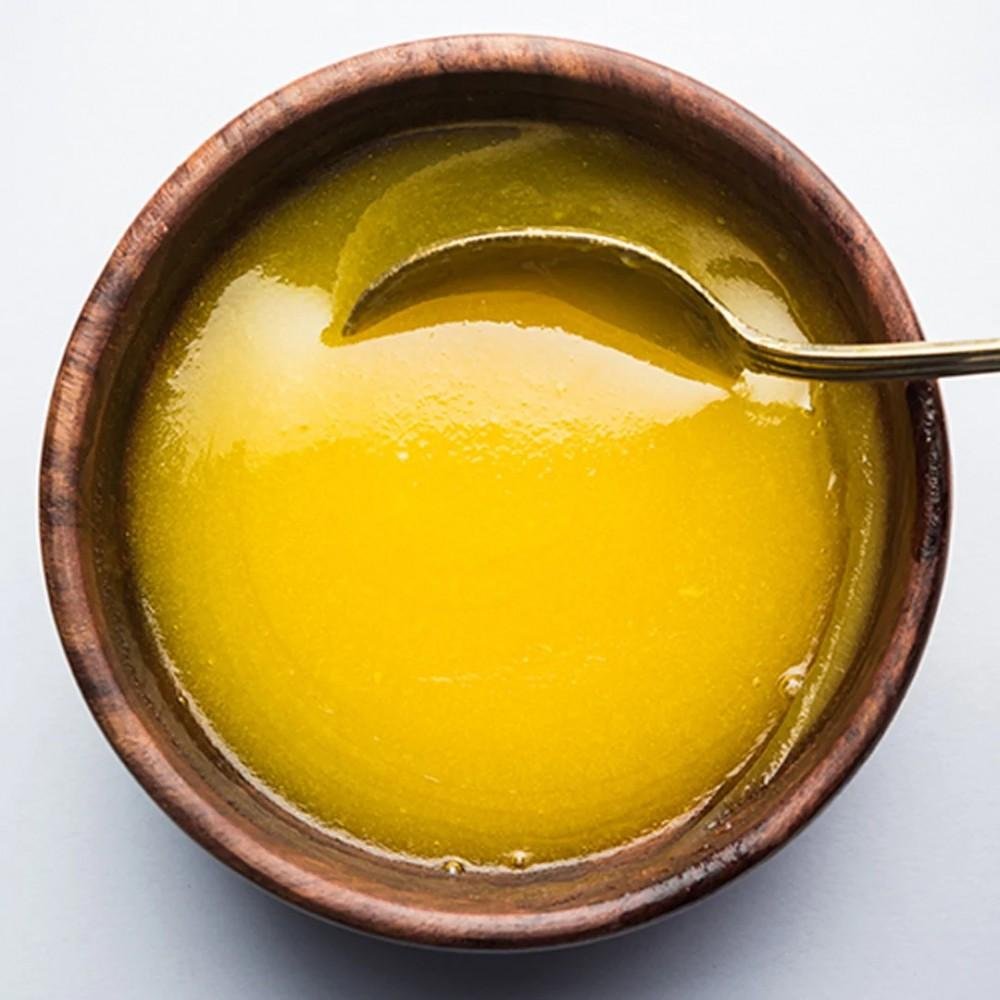

- Ghee: Clarified butter with numerous health benefits.
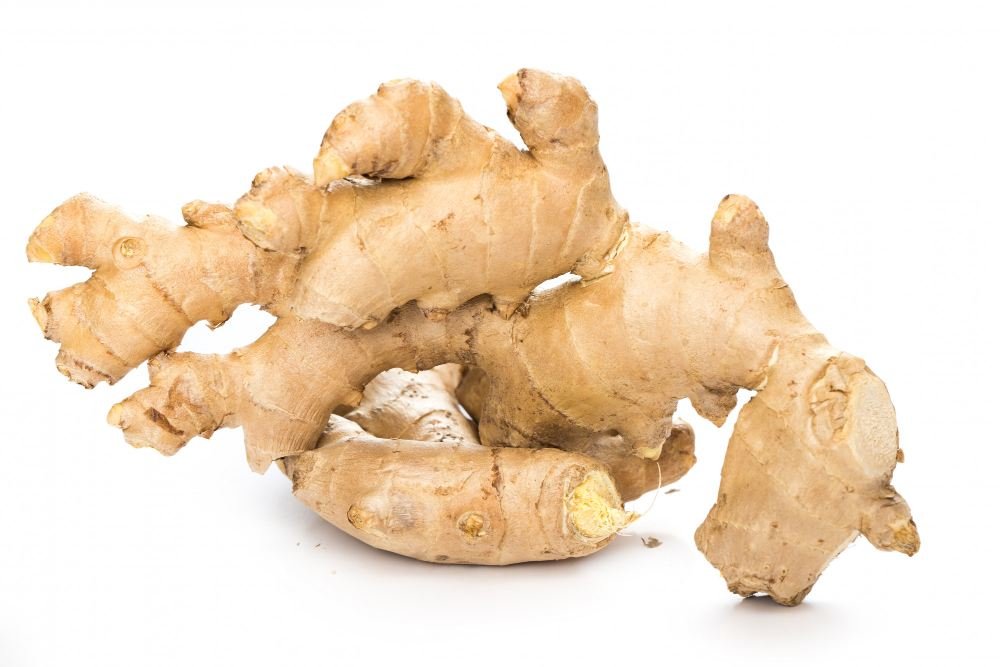
- Ginger: Warming herb for digestion and immunity.
- Guggul: Resin used in Ayurvedic preparations for joint health.
- Haritaki: Herb with detoxifying and rejuvenating properties.
- Japa: Repetition of a mantra or sacred sound for meditation.
- Jatamansi: Calming herb for stress relief and sleep.
- Ksheera vasti: A type of enema therapy using milk and herbs.
- Kitchari: A nourishing and easily digestible Ayurvedic dish.
- Madhura: Sweet taste, one of the six tastes in Ayurveda.
- Kapha: Dosha representing earth and water elements.
- Kushta: Ayurvedic term for skin diseases or disorders.
- Ksheeradhara: A therapeutic treatment involving pouring milk over the body.
- Lavan: Salt, used in Ayurvedic formulations and cooking.






- Manjistha: Herb for detoxification and skin health.
- Marma: Vital energy points in the body.
- Meditation: Mindful practice for relaxation and mental well-being.
- Nasya: Nasal administration of herbal oils or preparations.
- Neem: Antibacterial and skin-healing herb.
- Neti: Nasal cleansing technique using a saline solution.
- Panchakarma: Detoxification and rejuvenation therapy.
- Pitta: Dosha representing fire and water elements.
- Prakriti: Individual constitutional type or body-mind constitution.
- Pranayama: Breathing exercises for balancing energy.
- Rasayana: Rejuvenation therapy for longevity and vitality.
- Shatavari: Nourishing herb for women’s health and hormonal balance.
- Shirodhara: Therapy involving a continuous flow of oil on the forehead.
- Shirovasti: External oil treatment for head and scalp disorders.
- Triphala: Herbal formula for digestion and detoxification.
- Udwartana: Dry herbal powder massage for weight loss and lymphatic drainage.
- Upana: Elimination of waste products from the body.
- Ushnodaka: Warm water therapy for digestion and detoxification.
- Vamana: Therapeutic vomiting for eliminating toxins.
- Vata: Dosha representing air and space elements.
- Virechana: Purgation therapy for detoxification and liver health.
- Vriddhi: Increase or excess of doshas or tissues.
- Yoga: Physical and spiritual practice for health and well-being.
- Yoni: Female reproductive organs or womb.
- Yogi: A practitioner of yoga and meditation.
CONCLUSION
As we embark on our journey towards holistic wellness, exploring the vast realm of Ayurvedic concepts provides us with invaluable knowledge and tools for self-care. This comprehensive dictionary of Ayurvedic concepts serves as a guide, unraveling the rich tapestry of ancient wisdom and enabling us to embrace a holistic approach to health and well-being. By incorporating these concepts into our lives, we can unlock the transformative power of Ayurveda and experience the profound benefits it offers for our physical, mental, and spiritual well-being.